
Best Smartwatches in 2026 — Top Picks for Every Budget
Whether you need seamless iPhone ecosystem synergy, advanced Google Wear OS productivity, or 14-day battery life with clinical GPS tracking, we evaluate the best smartwatches on the market.
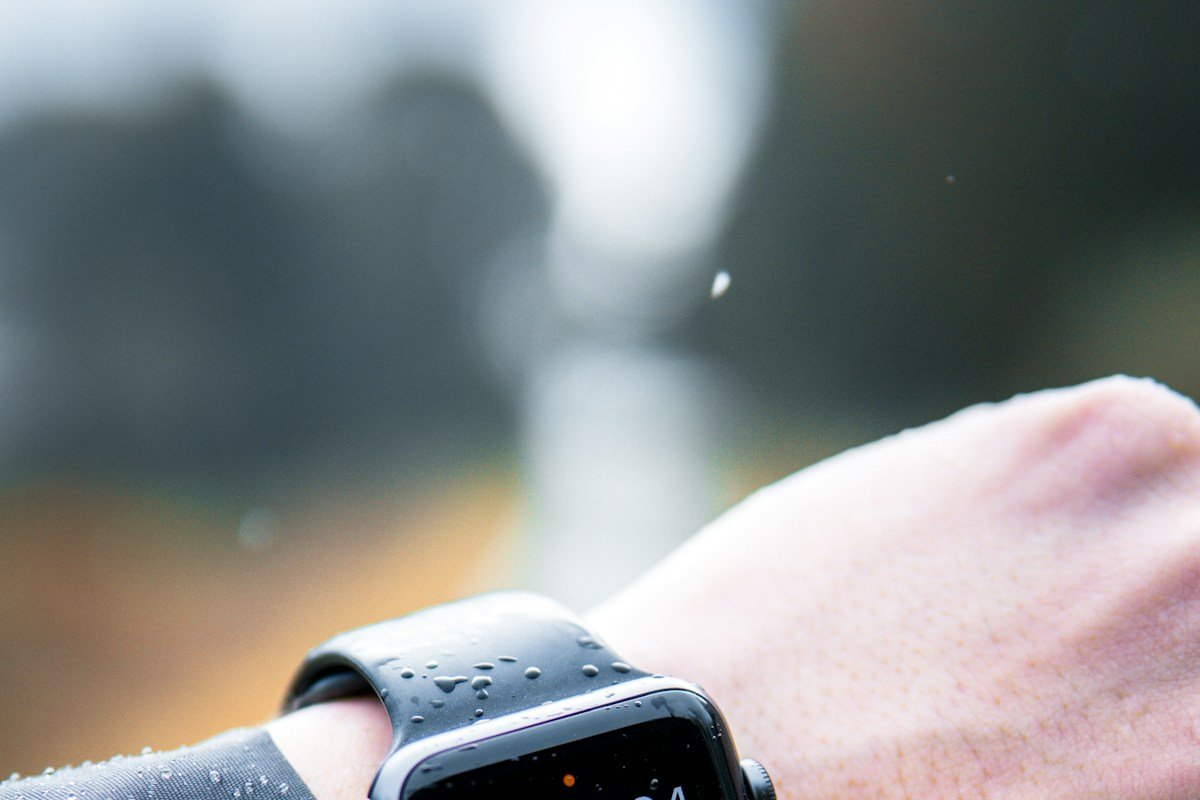
We rank smartwatches based on OS responsiveness, display outdoor legibility (2,000+ nits LTPO OLED), optical heart rate and FDA-cleared ECG sensor telemetry, multi-band GNSS satellite tracking, and real-world battery endurance with Always-On Display active.
| Ecosystem / Category | Top Pick | Display & Sensors | Battery Life | Est. Price |
|---|---|---|---|---|
| Best for iPhone | Apple Watch Series 10 | Wide-angle OLED / ECG + Sleep Apnea | 18–24 Hours | From $399 |
| Best for Samsung Android | Samsung Galaxy Watch 7 | Super AMOLED / 13-LED BioActive ECG | 30–40 Hours | From $299 |
| Best for Pixel & Google AI | Google Pixel Watch 3 | Actua 2,000-nit OLED / Loss of Pulse | 24–36 Hours | From $349 |
| Best Battery & Athletics | Garmin Venu 3 | 1.4" AMOLED / Elevate Gen 5 ECG | 14 Days | ~$449 |
| Best Value Under $200 | Amazfit Balance | 1.5" AMOLED (1,500 nits) / Dual-band GPS | 14 Days | ~$199 |
1. Top Smartwatch Picks by Category
Apple Watch Series 10
The benchmark smartwatch for iPhone owners. Featuring a wide-angle OLED display that is up to 40% brighter at off-axis angles, a slim 9.7mm aluminum or titanium chassis, Apple's S10 SiP processor, and FDA-cleared Sleep Apnea notifications.
Pros
- Seamless iPhone integration with unmatched haptic feedback precision
- Thinnest Apple Watch design with large, highly legible wide-angle OLED screen
- Comprehensive wellness tracking including ECG, sleep apnea notifications, and crash detection
Cons
- Strictly incompatible with Android smartphones
- 18 to 24-hour battery life requires daily charging
Samsung Galaxy Watch 7
Powered by a 3nm processor with dual-frequency L1+L5 GPS and Samsung's BioActive sensor array, the Galaxy Watch 7 delivers fast Wear OS 5 performance, AI-powered Energy Scores, and vascular/body composition insights.
Pros
- Snappy 3nm Exynos W1000 processor ensures fluid app navigation
- Dual-frequency L1+L5 GPS delivers accurate workout route mapping in cities
- Full Google Play Store ecosystem on Wear OS 5
Cons
- Select features (ECG, Blood Pressure) require a paired Samsung Galaxy phone
- 30 to 40-hour battery life requires charging every 1–2 days
Google Pixel Watch 3
Available in 41mm and 45mm case sizes with 2,000-nit Actua displays, the Pixel Watch 3 integrates deep Fitbit athletic readiness metrics, Google Maps offline navigation, and FDA-cleared Loss of Pulse detection safety protocols.
Pros
- Vibrant 2,000-nit Actua OLED display with ultra-narrow bezels
- Deep Fitbit integration with Morning Brief and Cardio Load metrics
- Seamless Google Home camera feeds and Nest doorbell notifications
Cons
- Daily charging required (24–36 hours runtime)
- Incompatible with iOS iPhones
Garmin Venu 3
The Garmin Venu 3 bridges the gap between full smartwatches and dedicated athletic training computers. Equipped with an Elevate Gen 5 optical sensor, built-in mic/speaker for phone calls, and up to 14 days of continuous battery life.
Pros
- Massive 14-day battery life eliminates daily charging anxiety
- Industry-leading recovery metrics (Body Battery, HRV Status, Sleep Coaching)
- 100% cross-platform compatibility with both iOS and Android
Cons
- Smaller third-party app ecosystem compared to watchOS or Wear OS
- Higher initial price point than standard lifestyle smartwatches
2. Battery Life vs. Smart Features: The Trade-off Matrix
Choosing a smartwatch requires balancing interactive smart features against battery endurance:
| Wearable Platform Category | Typical Battery Runtime | Smart Feature Capability | Primary Use Case |
|---|---|---|---|
| Full Smartwatches (watchOS / Wear OS) | 18 – 40 Hours (Daily Charging) | Rich app stores, cellular calls, interactive voice replies, streaming media. | Daily urban productivity and communication. |
| Sports & Endurance Watches (Garmin OS) | 7 – 14 Days | Continuous GPS tracking, offline music, basic notification alerts. | Endurance training, outdoor navigation, long travel. |
| Value Lifestyle Trackers (Amazfit / Zepp OS) | 10 – 14 Days | Standard fitness tracking, Bluetooth calls, lightweight companion apps. | Budget-conscious wellness and step tracking. |
3. OS Synergy: watchOS vs. Wear OS vs. Garmin OS
- Apple watchOS: Unmatched haptic precision and seamless iOS app continuity, but strictly restricted to Apple iPhones.
- Google Wear OS (Wear OS 5): Powered by Google Assistant, Google Maps, and Google Play Store for Android smartphones.
- Garmin OS: Platform-agnostic operating system with 7 to 14-day battery life, superior sports metrics, and full iOS and Android cross-compatibility.
4. Evaluating Health Sensors & Telemetry Safely
Modern smartwatches provide valuable wellness insights, including optical heart rate monitoring, blood oxygen estimates (SpO2), heart rate variability (HRV), and FDA-cleared single-lead ECG alerts.
Important note: Smartwatch health features are designed for general wellness tracking and atrial fibrillation risk alerts. They do not replace clinical 12-lead diagnostic medical equipment or professional physician consultations. For an in-depth breakdown of sensor accuracy, read our guide to Best Smartwatches for Health Monitoring.
5. Related Wearable Comparisons & Guides
- Read the head-to-head showdown: Apple Watch vs Samsung vs Garmin.
- On a budget? Read our guide on Best Smartwatches Under $200.
- Explore paired phones: Best Smartphones in 2026.