
Best Smartwatches for Health Monitoring in 2026 — Clinical Sensors & Accuracy
Looking for a wearable that tracks more than just daily steps? We break down FDA-cleared ECG heart monitors, sleep apnea risk detection, Heart Rate Variability (HRV), and continuous skin temperature sensors.
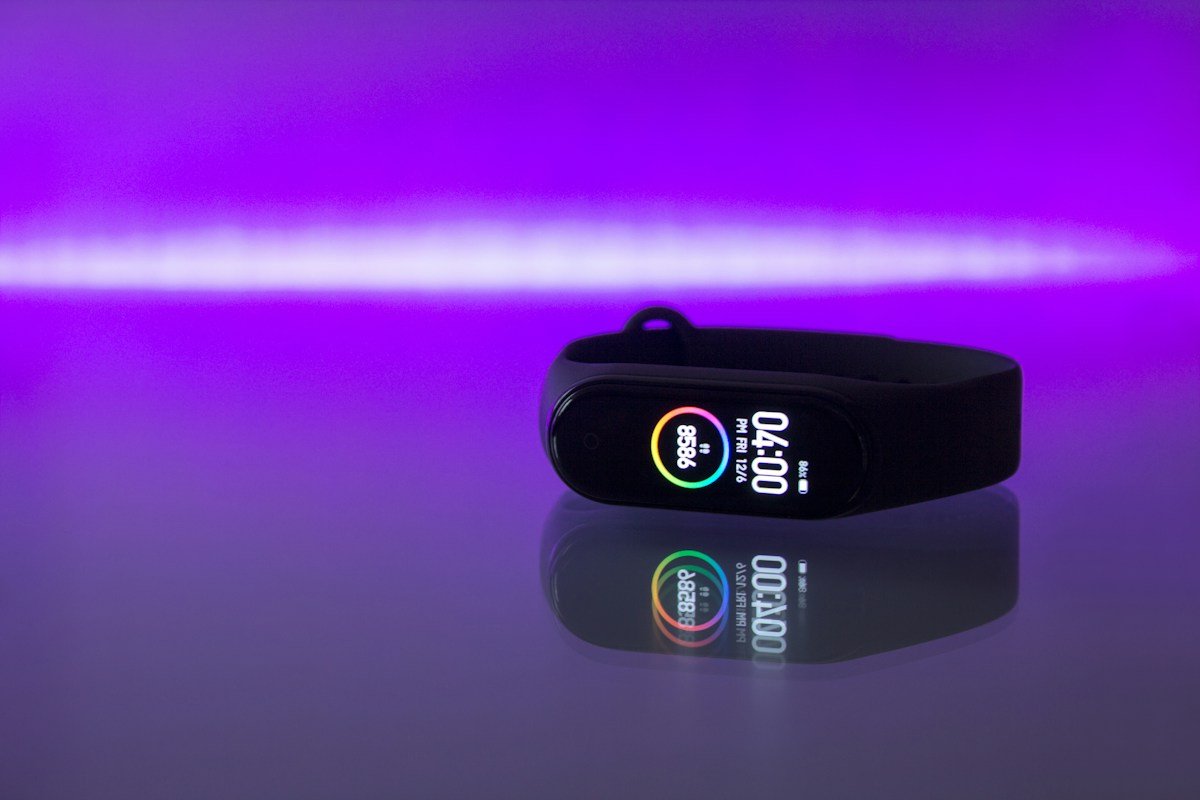
We evaluate health smartwatches based on verified regulatory clearances (FDA De Novo clearances for ECG & Sleep Apnea), optical PPG LED multi-wavelength array accuracy, continuous baseline HRV tracking for autonomic nervous system stress, and battery longevity for seamless overnight sleep tracking.
| Health Focus / Category | Top Recommendation | Key Medical Clearances | Battery Life |
|---|---|---|---|
| Best for iOS & Heart Health | Apple Watch Series 10 | FDA-cleared ECG, AFib history, Sleep Apnea alerts | 18–24 Hours |
| Best for Android & Metabolic Health | Samsung Galaxy Watch 7 | FDA-cleared Sleep Apnea, BioActive ECG/BIA sensor | 30–40 Hours |
| Best for Stress & Continuous HRV | Garmin Venu 3 | Elevate Gen 5 Optical Sensor, Body Battery, ECG App | 14 Days |
| Best Clinical Hybrid Analog | Withings ScanWatch 2 | Medical-grade ECG, SpO2, TempTech 24/7 Temperature | 30 Days |
1. Detailed Health Smartwatch Evaluations
Apple Watch Series 10
The Apple Watch Series 10 is the most widely validated consumer health wearable in clinical studies. Featuring a wide-angle OLED display and a thinner chassis, it includes a single-lead electrical heart sensor (ECG), high/low heart rate notifications, irregular rhythm alerts, fall detection, and an FDA-authorized Sleep Apnea notification feature.
Pros
- FDA-cleared ECG app generates PDF rhythm strips for cardiologists
- Sleep Apnea breathing disturbance tracking without requiring a medical clinic visit
- Seamless sync with Apple HealthKit and electronic health record (EHR) portals
Cons
- Requires daily charging (18-hour typical runtime)
- Exclusively compatible with Apple iPhones
Samsung Galaxy Watch 7
Powered by an upgraded 3nm Exynos processor and a 13-LED BioActive sensor, the Galaxy Watch 7 brings enhanced optical heart rate precision, Advanced Glycation End-products (AGEs) metabolic index tracking, and FDA-authorized Sleep Apnea risk alerts for Android smartphones.
Pros
- BioActive Sensor includes ECG, blood pressure calibration, and BIA body composition
- FDA-authorized sleep apnea detection algorithm
- Energy Score metric balances sleep, activity, and sleeping heart rate
Cons
- ECG and blood pressure features require a paired Samsung Galaxy phone
- Every-other-day charging requirement
Garmin Venu 3
For users who dislike daily charging, the Garmin Venu 3 delivers up to 14 days of battery life while providing the Garmin Elevate Gen 5 optical sensor with FDA-cleared ECG capability, continuous overnight HRV Status, Body Battery energy tracking, and Wheelchair Mode metrics.
Pros
- 14-day battery life ensures continuous, uninterrupted baseline health data
- Elevate Gen 5 sensor with built-in ECG app
- Cross-platform compatible with both iOS and Android
Cons
- Simpler app store compared to watchOS and Wear OS
2. Understanding Key Health Sensors
- ECG (Electrocardiogram): Measures electrical impulses of the heart by touching the watch crown or bezel with your opposite index finger, detecting Atrial Fibrillation (AFib).
- Optical PPG (Photoplethysmography): Uses green and infrared LEDs to measure pulse rate and blood oxygen (SpO2) saturation continuously throughout the day and night.
- HRV (Heart Rate Variability): Measures micro-second variations between consecutive heartbeats during deep sleep to evaluate autonomic nervous system recovery and physical fatigue.
- Skin Temperature Sensors: Tracks baseline temperature shifts during sleep, useful for illness onset detection and menstrual cycle tracking.
3. The Importance of Sleep Apnea & Overnight Telemetry
Moderate-to-severe sleep apnea affects millions of adults globally, often without diagnosis. Modern health smartwatches utilize accelerometer micro-movements combined with SpO2 blood oxygen drops to track breathing disturbances across a 30-day window, providing a structured health report that users can share with their physician.
4. Platform Compatibility & Next Steps
Before deciding, ensure your watch matches your smartphone ecosystem. For a head-to-head breakdown of smart features and athletic tracking, read our comprehensive Apple Watch vs Samsung vs Garmin comparison or explore our full overview in the Best Smartphones Guide.