
Best Smartphones Under $400 in 2026 — Top Mid-Range Value Picks
The $300 to $400 price bracket represents the ultimate sweet spot: delivering flagship-grade 120Hz OLED screens, Optical Image Stabilization (OIS), IP67 water resistance, and 5-year software support.
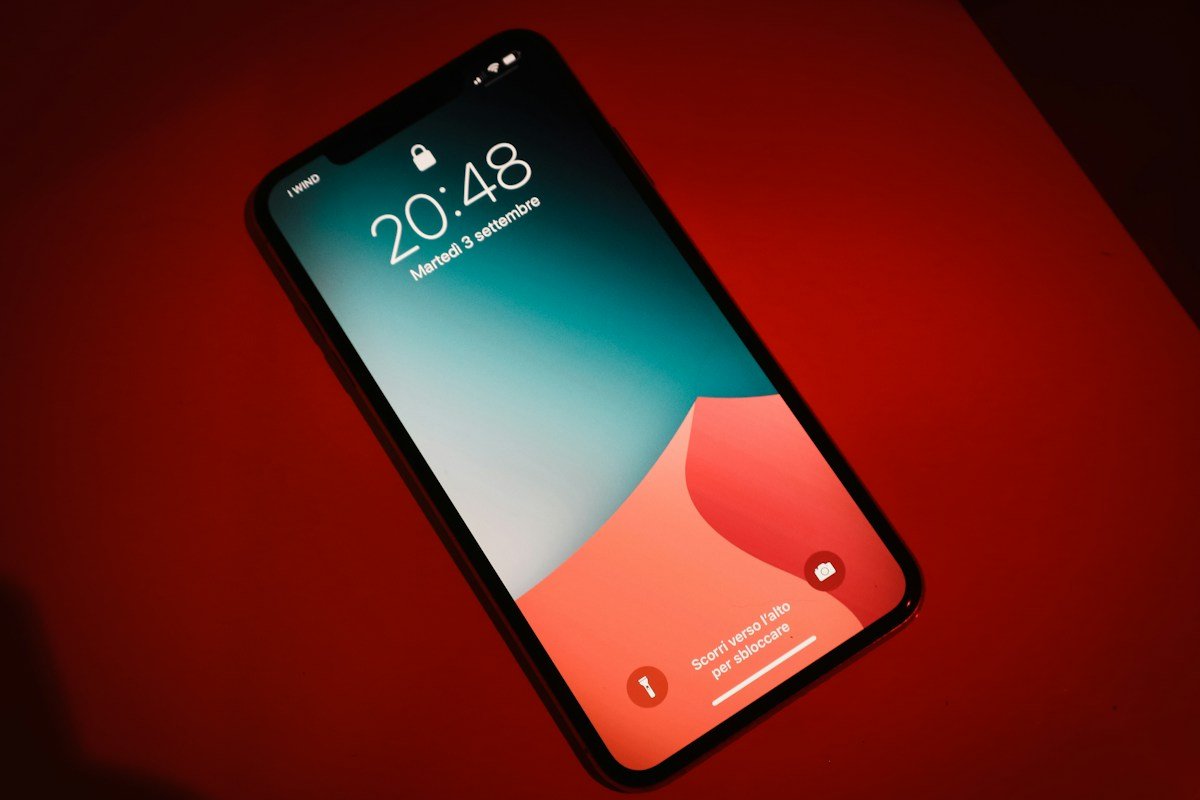
We benchmark $300–$400 smartphones against essential hardware thresholds: 120Hz FHD+ AMOLED panels with 1,000+ nits outdoor brightness, primary camera sensors with hardware Optical Image Stabilization (OIS), IP67 or IP54 ingress protection, 5,000mAh battery efficiency, and minimum 4-year guaranteed security patch roadmaps.
| Award / Category | Top Pick | Display / SoC | Key Strength | Est. Price |
|---|---|---|---|---|
| Best Overall Under $400 | Samsung Galaxy A35 5G | 6.6" 120Hz Super AMOLED / Exynos 1380 | IP67 water resistance + 5 Years Security Updates | ~$399 |
| Best Camera & Computational AI | Google Pixel 8a (Sale) / 7a | 6.1" 120Hz OLED / Tensor G3 | Class-leading camera dynamic range & 7 Yrs OS updates | ~$399 (Sale) |
| Best Design & Clean Software | Nothing Phone (2a) | 6.7" 120Hz Flexible AMOLED / Dimensity 7200 Pro | Symmetrical thin bezels, Glyph interface, clean OS | ~$349 |
| Best Built-In Stylus Productivity | Moto G Stylus 5G | 6.7" 120Hz pOLED / Snapdragon 6 Gen 1 | Integrated stylus, wireless charging, 256GB storage | ~$399 |
1. Top Sub-$400 Product Evaluations
Samsung Galaxy A35 5G
Samsung's Galaxy A35 5G brings premium flagship durability down to sub-$400 pricing. It features a Gorilla Glass Victus+ back, IP67 dust and water resistance, a vibrant 120Hz Super AMOLED display that hits 1,000 nits, and 4 major Android OS updates with 5 years of security patches.
Pros
- IP67 certified water resistance (survives accidental drops in sinks or pools)
- 50MP main camera with hardware Optical Image Stabilization (OIS)
- 4 OS upgrades + 5 years of regular monthly security updates
- Vibrant 6.6-inch 120Hz Super AMOLED panel
Cons
- 25W maximum wired charging speed
- No headphone jack
Google Pixel 8a
For photography enthusiasts, Google's A-series represents the highest camera quality in the mid-range tier. Powered by the Tensor G3 processor, the Pixel 8a delivers unmatched low-light Night Sight performance, Best Take computational HDR, and an unprecedented 7 full years of Android OS and security updates.
Pros
- Industry-leading photography and computational HDR processing
- 7 years of guaranteed OS updates, Feature Drops, and security patches
- Compact 6.1-inch form factor with 120Hz Actua display
- Includes wireless charging support and IP67 water resistance
Cons
- Base storage starts at 128GB (no microSD expansion)
Nothing Phone (2a)
The Nothing Phone (2a) brings distinct visual flair with its transparent rear casing, customizable Glyph lighting interface, and ultra-thin symmetrical 2.1mm display bezels. Equipped with a 4nm MediaTek Dimensity 7200 Pro chipset, it delivers smooth performance with near-zero bloatware.
Pros
- Symmetrical 120Hz flexible AMOLED display with 1,300 nits peak brightness
- Fast 45W wired charging (recharges 5,000mAh battery in ~59 mins)
- Clean, bloatware-free Nothing OS software interface
Cons
- IP54 splash resistance (not fully submersible like the Galaxy A35)
2. Why $400 is the Smartphone "Sweet Spot"
While entry-level $200 phones must make compromises on water resistance, plastic builds, and secondary cameras, jumping to the $400 bracket delivers virtually all essential flagship experiences:
- IP67 Water Ingress Protection: Peace of mind against rain, spills, and accidental drops in water.
- Glass Builds & Gorilla Glass Protection: Higher scratch resistance and rigid chassis construction.
- 4 to 7 Years of Software Patches: Longevity matching devices costing three times as much.
3. Why OIS (Optical Image Stabilization) is Essential
Electronic image stabilization (EIS) only crops into video digitally. Optical Image Stabilization (OIS) physically suspends the camera lens on microscopic electromagnets to counteract hand tremors. This allows the camera shutter to stay open longer in dark environments, capturing sharp night photos without blurry motion.
4. Related Smartphone Buying Guides
- On a tighter budget? Explore our guide to the Best Budget Smartphones Under $300.
- Looking for top-tier flagships? Check out the comprehensive Best Smartphones in 2026 Guide.
- Pair your phone with a budget wearable: Best Smartwatches Under $200.