
Best Budget Smartphones Under $300 in 2026 — Top Value Picks
You no longer need to spend $1,000 for a great smartphone experience. We evaluate 120Hz OLED panels, 5,000mAh multi-day batteries, 5G chipsets, and long-term security support in the sub-$300 category.
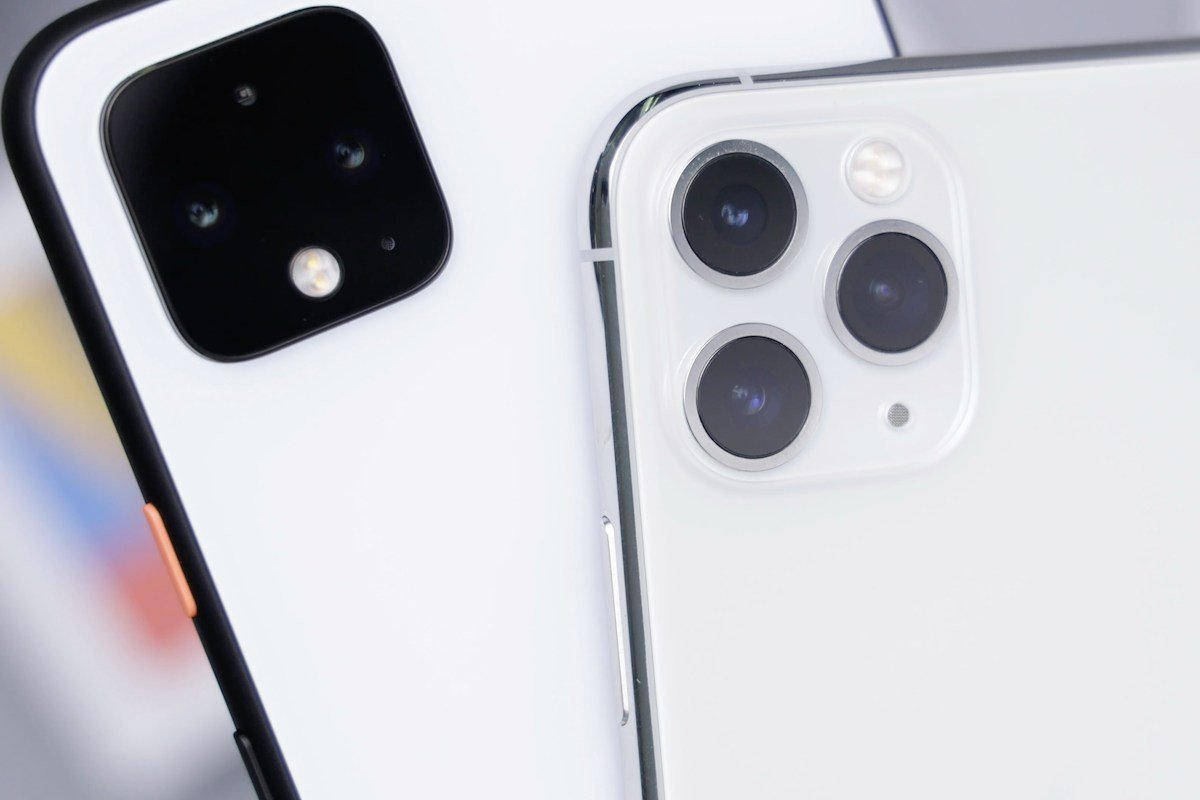
We benchmark budget phones against essential longevity thresholds: 120Hz display refresh rates (minimum 800 nits outdoor peak), UFS 2.2 or faster storage (rejecting slow eMMC 5.1), 5,000mAh battery capacities, and guaranteed manufacturer security patch roadmaps (4+ years minimum).
| Award | Phone Model | Display / SoC | Software Promise | Est. Price |
|---|---|---|---|---|
| Best Overall Under $300 | Samsung Galaxy A25 5G | 6.5" 120Hz AMOLED / Exynos 1280 | 4 OS Upgrades + 5 Yrs Security | ~$249–$299 |
| Best Design & Clean OS | CMF Phone 1 (by Nothing) | 6.67" 120Hz Super AMOLED / Dimensity 7300 | 2 OS Upgrades + 3 Yrs Security | ~$199–$239 |
| Best Battery & Headphone Jack | Moto G Power 5G | 6.7" 120Hz LCD / Dimensity 7020 | 1 OS Upgrade + 3 Yrs Security | ~$279 |
1. Top Smartphone Picks Under $300
Samsung Galaxy A25 5G
Samsung dominates the budget sector by bringing high-end display technology and industry-leading software commitments to sub-$300 hardware. The Galaxy A25 5G packs a 120Hz Super AMOLED display that hits 1,000 nits peak brightness, paired with a 50MP OIS-stabilized main camera.
Pros
- Vibrant 120Hz Super AMOLED panel with 1,000 nits brightness
- 4 major Android OS updates and 5 years of security patches
- 50MP main camera features Optical Image Stabilization (OIS)
- MicroSD card expansion slot and 3.5mm audio jack
Cons
- 25W charging speed (charger not included in box)
- Teardrop notch design rather than modern hole-punch
CMF Phone 1 (by Nothing)
The CMF Phone 1 redefines entry-level design with modular interchangeable back covers and clean Nothing OS with zero bloatware. Powered by the efficient 4nm MediaTek Dimensity 7300 chipset, it offers the fastest app-opening speeds in this price category.
Pros
- Sub-$200 pricing with smooth 120Hz AMOLED display
- Fast MediaTek Dimensity 7300 (4nm) processor
- Bloatware-free Nothing OS software experience
- Unique modular accessory point for stands and lanyards
Cons
- No NFC for contactless Google Wallet payments in North America
- Mono speaker output (no stereo speakers)
Moto G Power 5G
For users who prioritize two-day battery endurance, the Moto G Power 5G delivers exceptional efficiency from its 5,000mAh battery combined with 30W wired charging and 15W wireless charging—a rare feature under $300.
Pros
- Genuine 2-day battery life on a single charge
- Includes 15W wireless charging capability
- Clean, near-stock Android software interface with Moto gestures
Cons
- IPS LCD display rather than vibrant OLED
- Shorter software support roadmap (1 OS upgrade)
2. What to Demand (and Avoid) Under $300
- Demand 6GB or 8GB of RAM: Avoid 4GB RAM models in 2026, as background apps will reload frequently.
- Demand UFS 2.2+ Storage: Never buy a phone utilizing obsolete eMMC storage, which degrades into extreme lag after 12 months.
- Avoid Fake Macro/Depth Cameras: Ignore 2MP auxiliary cameras; focus on primary sensor quality and optical image stabilization (OIS).
3. Budget vs. Flagship: Where Are the Real Compromises?
Sub-$300 phones provide 85% of the everyday smartphone experience (web browsing, social media, banking, video streaming, long battery life). The primary areas where $1,000+ flagships differ are:
- Optical Telephoto Lenses: Budget phones use digital crop instead of dedicated 3x/5x periscope glass.
- Water Resistance Ratings: Sub-$300 phones offer splash resistance (IP54) rather than full submersion ratings (IP68).
- Heavy 3D Gaming: Casual games run smoothly, but heavy 3D titles require lowered graphic presets.