
Best Smart Home Devices for Beginners 2026
Building your first automated home shouldn't be overwhelming. We break down the three foundational starter layers—smart displays, reliable mesh lighting, and automated climate control—to help you build a seamless setup with zero technical headache.
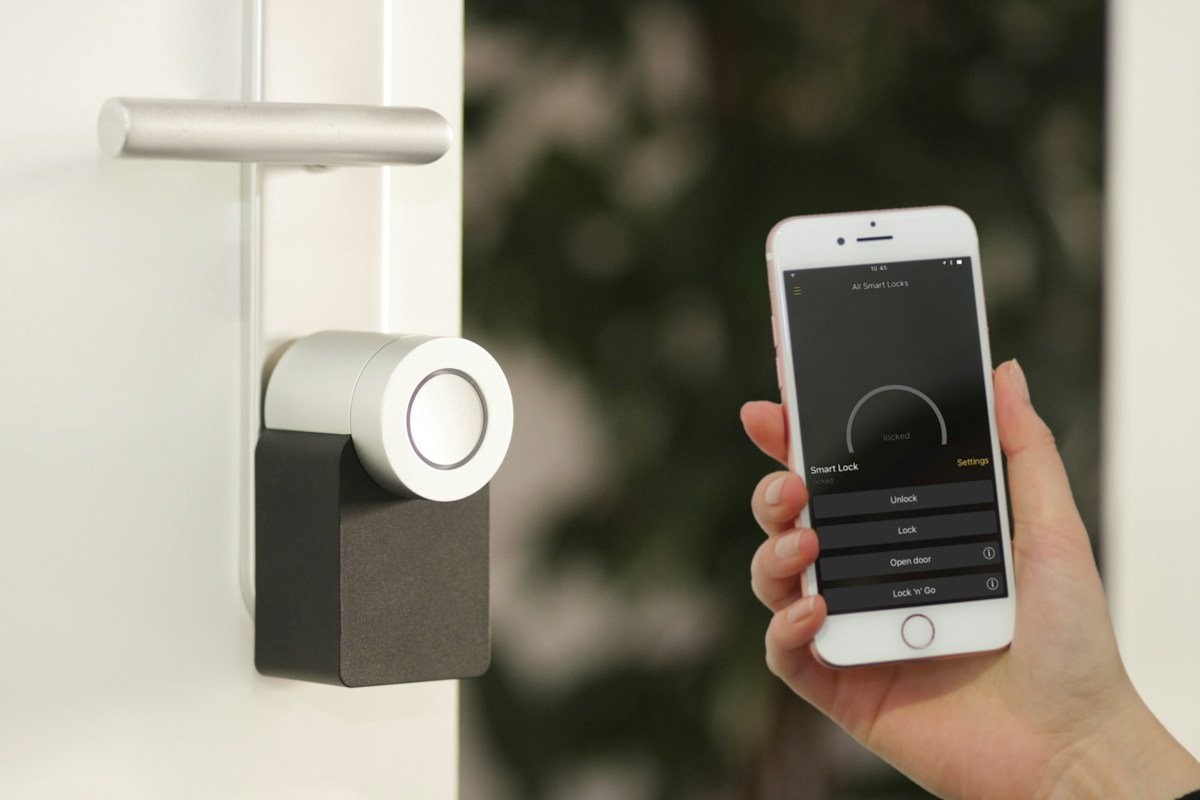
We evaluate starter smart home devices on setup accessibility (pairing under 3 minutes), voice assistant response accuracy, multi-platform Matter support across iOS and Android, and long-term ecosystem stability without requiring network engineering skills.
| Starter Foundation Layer | Top Recommendation | Ecosystem Compatibility | Key Beginner Advantage | Est. Price |
|---|---|---|---|---|
| 1. Smart Display & Voice Hub | Google Nest Hub (2nd Gen) / Amazon Echo Show 8 | Google Home / Alexa (Matter Hubs) | Visual routine dashboard, touch controls, smart speaker | $99 – $149 |
| 2. Smart Lighting Mesh | Philips Hue Starter Kit | Apple Home, Google, Alexa (Zigbee / Matter) | Zero Wi-Fi congestion, plug-and-play automated scenes | ~$159 |
| 3. Smart Climate & HVAC | Ecobee Smart Thermostat Premium | Apple Home, Google, Alexa (Dual-Band Wi-Fi) | Built-in voice assistant, room sensor, automatic energy savings | ~$249 |
1. The 3 Easy Starter Steps for Beginners
Instead of purchasing dozens of random Wi-Fi accessories that complicate your home network, building a reliable smart home starts with three simple, interoperable pillars:
- Step 1: Choose Your Primary Voice & Display Hub: A central countertop display (like an Echo Show 8 or Nest Hub) provides an intuitive touch dashboard for family members, plays morning news routines, and acts as a central Matter controller.
- Step 2: Install a Dedicated Smart Lighting Kit: Upgrading your main living room or bedroom with smart bulbs allows automated morning wake-up lighting and hands-free bedtime shutoff.
- Step 3: Add an Intelligent Smart Thermostat: A smart thermostat pays for itself over time by automatically lowering heating/cooling when you leave the house and adjusting room temperature based on presence.
2. Detailed Starter Product Evaluations
Google Nest Hub (2nd Gen) / Amazon Echo Show 8
A countertop smart display serves as the central control console for any beginner setup. Whether you choose Google Assistant or Amazon Alexa, these devices provide instant visual feedback for doorbell feeds, timers, weather forecasts, and interactive whole-home lighting controls.
Pros
- Intuitive touchscreen interface accessible to everyone in the household
- Acts as a Matter controller and Thread Border Router for future expansion
- Clear audio output for music streaming and morning news briefings
Cons
- Requires a permanent countertop AC power outlet
Philips Hue Smart Lighting Starter Kit
Philips Hue remains the industry benchmark for responsive smart lighting. Because all bulbs connect directly to the included Hue Bridge via the Zigbee mesh protocol, expanding your setup to dozens of bulbs will never congest or slow down your home Wi-Fi network.
Pros
- Sub-second lighting response times with zero Wi-Fi network congestion
- Rich catalog of dynamic preset lighting scenes (e.g., Reading, Energize, Sunset)
- Full Matter Bridge compatibility with Apple Home, Google Home, and Alexa
Cons
- Requires connecting the Hue Bridge to your router via Ethernet
- Higher initial investment than generic individual Wi-Fi bulbs
Ecobee Smart Thermostat Premium
The Ecobee Smart Thermostat Premium combines intuitive touchscreen climate programming with built-in voice control. Featuring an included remote SmartSensor, it balances heating and cooling across the rooms you actively occupy rather than measuring temperature only in a drafty hallway.
Pros
- Remote SmartSensor balances temperature in bedrooms and home offices
- Built-in smart speaker (Alexa or Siri with Apple HomePod)
- Automated occupancy scheduling reduces monthly HVAC energy expenses
Cons
- Requires standard HVAC C-wire (includes Power Extender Kit for older systems)
3. Alexa vs. Google Home vs. Apple Home: Which Should You Pick?
Before investing in additional smart accessories, standardize on the primary platform that aligns with your family's daily devices:
- Amazon Alexa: Offers the widest third-party hardware compatibility, extensive voice shopping features, and powerful "Routines" for automated timers and announcements.
- Google Home (Gemini): Best for natural-language queries, Google Calendar integration, YouTube/Chromecast casting, and Google Maps live commute traffic updates.
- Apple Home (Siri): Best for households with iPhones, iPads, and Apple Watches, prioritizing local network processing and on-device HomeKit secure video.
Seeking local-only smart plugs, Thread mesh repeaters, and security cameras that store footage without monthly cloud fees?
Explore our Local & Subscription-Free Smart Home Guide →4. Related Smart Home Guides
- Compare flagship voice assistants: Amazon Echo vs Google Nest Comparison.
- Discover local & subscription-free picks: Local & Subscription-Free Smart Devices Guide.
- Automate your floor care: Best Robot Vacuums in 2026.