
Best AI Smart Home Devices in 2026 — Amazon Echo vs Google Nest
Generative AI has transformed smart speakers into intuitive home assistants. We compare Amazon Echo (Alexa AI) vs Google Nest (Gemini AI) on conversational natural language, Matter hub connectivity, multi-room audio, and smart display utility.
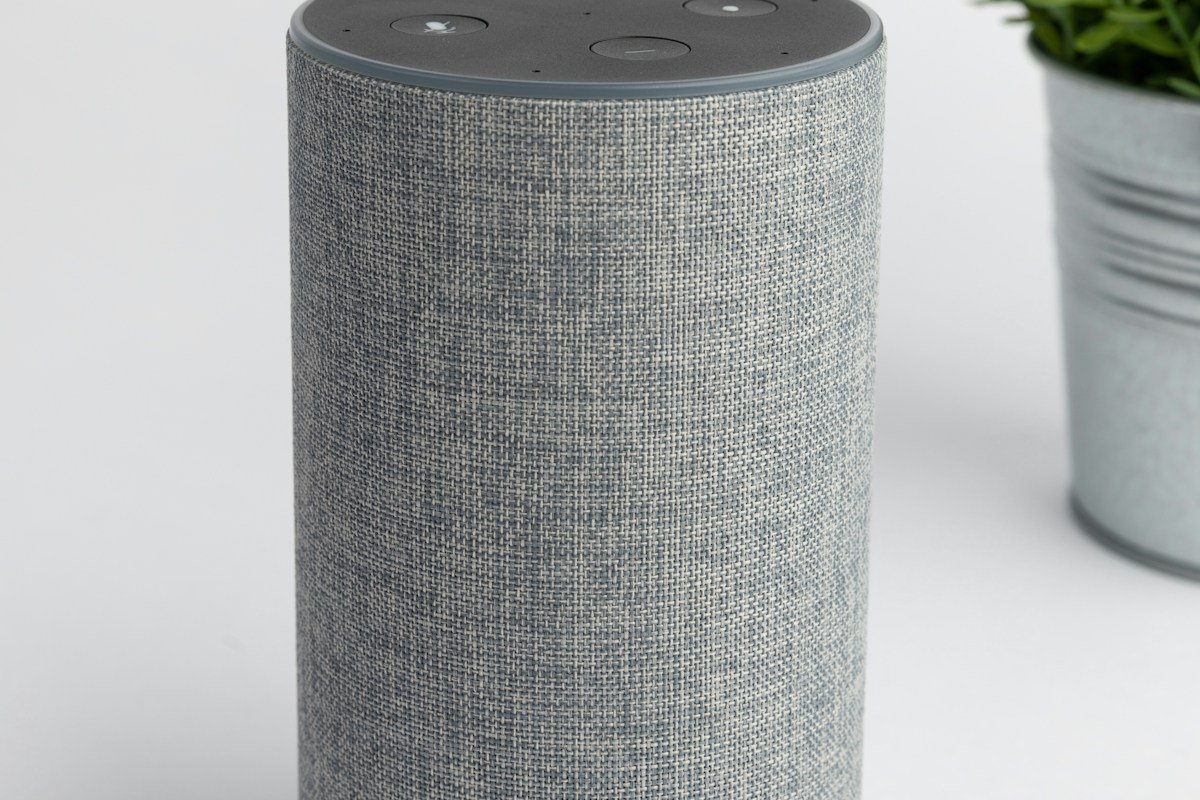
We benchmark smart home platforms on large language model (LLM) conversational comprehension, natural multi-turn context retention, Matter controller / Thread border router stability, smart accessory catalog breadth, and microphone far-field acoustic pick-up during loud music playback.
| Ecosystem Feature | Amazon Echo (Alexa AI) | Google Nest (Gemini AI) |
|---|---|---|
| AI Voice Intelligence | Alexa LLM (Excels at multi-step smart home routines & peripheral commands) | Google Gemini (Superior natural search, knowledge graph & YouTube) |
| Matter & Thread Capabilities | Matter Controller on most Echo devices; Thread Border Router built into select models (Echo Hub, Echo 4th Gen, Echo Show 8 3rd Gen) | Matter Controller on most Nest devices; Thread Border Router built into select models (Nest Hub 2nd Gen, Nest Hub Max, Nest Wifi Pro) |
| Smart Display Hardware | Echo Show 5, 8, 10 (Motion tracking), 15, and 21 | Nest Hub 7-inch (Camera-free), Nest Hub Max 10-inch |
| Media & Music Synergy | Amazon Music, Spotify, Apple Music, Audible audiobooks | YouTube Music, Spotify, Apple Music, native YouTube video player |
| Hardware Privacy Controls | Physical camera privacy shutter on all Show displays + electronic mic mute button | Hardware microphone disconnect switch; camera-free 7-inch Hub or physical camera/mic switch on Hub Max |
1. Alexa AI vs. Google Gemini: Conversational Voice Intelligence
The core differentiator between Amazon Echo and Google Nest lies in their underlying conversational strengths:
- Alexa AI (Smart Home Execution & Routines): Alexa remains exceptionally adept at direct device orchestration. It handles complex chained commands smoothly (e.g., "Alexa, dim the living room to 40%, lock the front door, and arm home security") and offers the deepest catalog of third-party smart home skills and manufacturer integrations.
- Google Gemini (Web Search & Contextual Reasoning): Leveraging Google's vast search index and language models, Google Assistant/Gemini excels at open-ended factual queries, recipe conversions, real-time commute traffic via Google Maps, and multi-turn conversational follow-ups without restating the subject.
2. Matter Protocol & Thread Border Router Realities
Matter is an open, IP-based connectivity standard designed to allow smart home devices from different brands to communicate locally over Wi-Fi and Thread without proprietary cloud bridges. However, hardware capabilities differ significantly across models:
- Matter Controllers: Most modern Echo and Nest speakers act as Matter Controllers over local Wi-Fi and Ethernet networks, enabling easy commissioning of Matter-compatible lights, switches, and plugs.
- Thread Border Routers (Hardware Dependent): Thread is a low-power, self-healing mesh networking protocol ideal for battery-powered sensors and door locks. Not every smart speaker contains a Thread radio. Standalone Thread Border Router hardware is built into specific hubs:
- Amazon Ecosystem: Echo Hub, Echo (4th Gen spherical), and Echo Show 8 (3rd Gen). Entry-level devices like the Echo Dot connect to Matter over Wi-Fi, but rely on a separate Thread Border Router for Thread devices.
- Google Ecosystem: Nest Hub (2nd Gen), Nest Hub Max, and Nest Wifi Pro. Compact speakers like the Nest Mini do not house dedicated Thread radios.
3. Smart Displays, Audio Fidelity & Privacy Controls
Smart displays serve as central dashboards for security cameras, video doorbells, calendar schedules, and kitchen media playback:
- Amazon Echo Show Series: Offers a wide variety of form factors ranging from the compact Echo Show 5 for nightstands, to the Echo Show 8 and 10 (with motorized subject tracking), up to the wall-mountable Echo Show 15 and 21. All Echo Show models feature a built-in physical slide shutter that mechanically covers the camera lens, alongside a dedicated microphone mute button.
- Google Nest Hub Series: Google approaches display privacy differently. The standard 7-inch Nest Hub intentionally omits a camera entirely, using Soli radar technology for non-optical Sleep Sensing—making it exceptionally privacy-friendly for bedrooms. The 10-inch Nest Hub Max includes a wide-angle camera with a physical rear toggle switch that electronically disconnects both the camera and microphones.
4. Platform Evaluations & Pros / Cons
Amazon Echo Ecosystem (Alexa AI)
The Amazon Echo ecosystem provides the most expansive hardware portfolio and broadest third-party peripheral compatibility on the market. From budget plug-in speakers to motorized smart displays and wall-mounted command centers, Alexa offers unmatched flexibility for multi-room audio, Ring doorbell video feeds, and intricate conditional routines.
Pros
- Widest hardware lineup including Echo Dot, Echo Studio, Echo Hub, and Echo Show (5" to 21")
- Physical slide camera shutters built into all Echo Show smart displays
- Exceptional multi-command routine builder with sensor and time triggers
- Seamless live video streaming integration with Ring and Blink security systems
Cons
- Echo Show home screens display sponsored suggestions unless manually configured
- General web search answers are less conversational than Google Gemini
Google Nest Ecosystem (Gemini AI)
The Google Nest ecosystem excels in daily informational utility and media integration. Deeply tied into Google Search, Google Calendar, Google Maps, and YouTube, Nest displays and speakers deliver intuitive answers and seamless multimedia streaming without promotional home screen interruptions.
Pros
- Superior conversational knowledge and web search powered by Google Gemini
- Native YouTube video playback on smart displays (ideal for recipe tutorials)
- Camera-free 7-inch Nest Hub offers unmatched privacy for bedroom nightstands
- Clean, ad-free ambient display UI focusing on photos and calendar events
Cons
- More limited smart display hardware selection (7-inch and 10-inch only)
- Routine builder is less customizable for complex conditional third-party logic
5. The Ecosystem Verdict: Which Should You Choose?
- Choose Amazon Echo if: You want maximum third-party accessory compatibility, intricate home automations, Ring/Blink camera integrations, and a wider selection of wall-mountable smart display sizes.
- Choose Google Nest if: You prioritize accurate search answers, native YouTube video streaming in the kitchen, seamless Google Calendar/Maps synchronization, and an ad-free ambient photo frame experience.
6. Related Smart Home Guides
- Build reliable routines: Smart Home Automation Essentials.
- Local & subscription-free picks: Local & Subscription-Free Smart Home Guide.
- Beginner starter guide: Best Smart Home Devices for Beginners Guide.