
Best Professional & Hybrid Mirrorless Cameras 2026
For commercial photographers, studio filmmakers, and sports videographers, we evaluate full-frame dynamic range, 40 fps action tracking, dual card slot redundancy, and uncropped 4K 60p oversampled video.
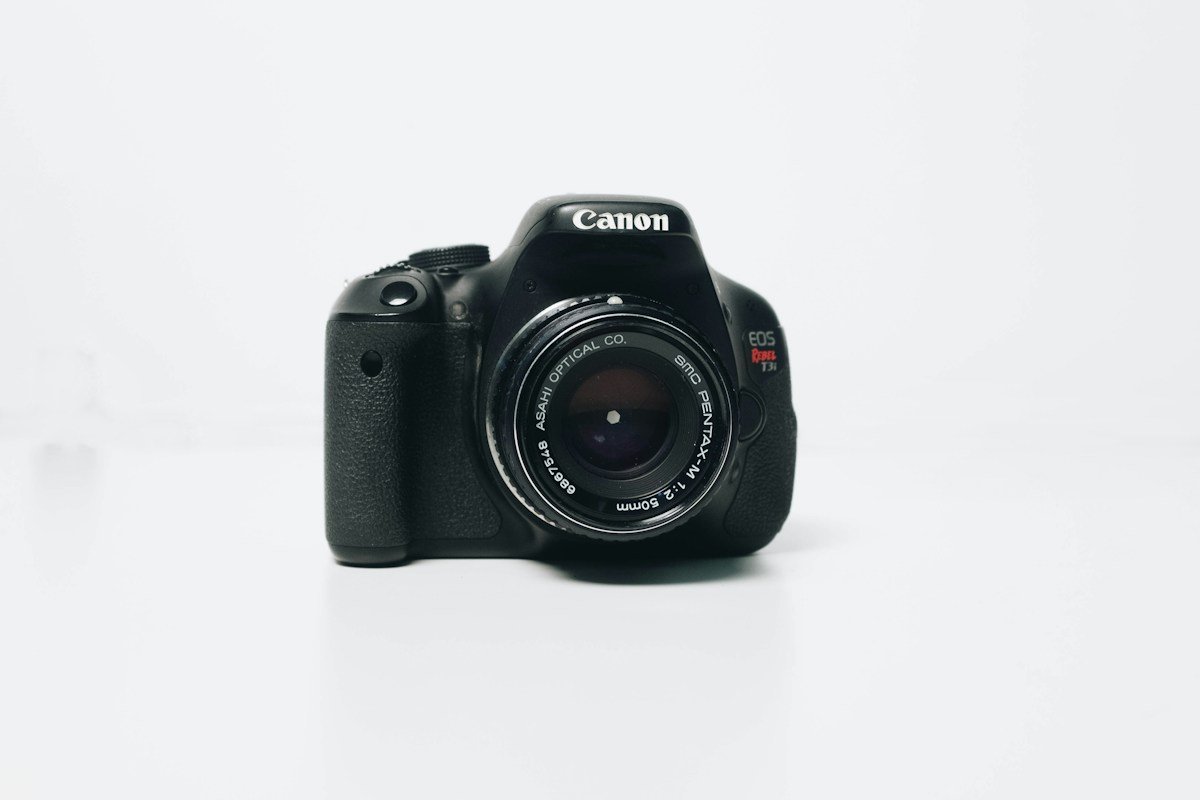
We benchmark mirrorless camera bodies against professional commercial requirements: full-frame sensor dynamic range (stops of shadow and highlight recovery), real-time AI phase-detection tracking, internal 10-bit 4:2:2 video codecs, 5-axis In-Body Image Stabilization (IBIS), and dual card slot backup redundancy.
| Camera Body | Sensor & Resolution | Video Capabilities | Primary Pro Use Case | Est. Price (Body) |
|---|---|---|---|---|
| Sony A7 IV | 33MP Full-Frame Exmor R BSI | 4K 60p (Super35) / 10-Bit 4:2:2 S-Log3 | Commercial Hybrid Photo & Video | ~$2,498 |
| Canon EOS R6 Mark II | 24.2MP Full-Frame Dual Pixel II | 4K 60p Uncropped / 6K ProRes RAW | Sports, Wildlife & Fast Action | ~$2,299 |
| Fujifilm X-T5 | 40.2MP APS-C X-Trans HR | 6.2K 30p / 4K 60p HQ | High-Res Studio & Landscape Stills | ~$1,699 |
1. In-Depth Camera Reviews & Comparisons
Sony Alpha 7 IV (A7 IV)
The Sony A7 IV remains the benchmark hybrid camera for working professionals and commercial studios. Its 33MP backside-illuminated full-frame sensor delivers exceptional photographic resolution and dynamic range, while 759 phase-detection autofocus points with Real-time Eye AF track subjects reliably across both stills and video.
Pros
- 33MP full-frame sensor balances high commercial resolution with excellent low-light clarity
- 10-bit 4:2:2 internal recording with S-Cinetone and S-Log3 color profiles
- Dual card slots with support for ultra-fast CFexpress Type A and UHS-II SD cards
- Expansive native Sony E-mount lens selection across first-party GM and third-party glass
Cons
- 4K 60p recording enforces a 1.5x Super35 crop
- Menu system features high complexity requiring custom button assignment
Canon EOS R6 Mark II
Built for sports, wildlife, and event photojournalists, the Canon EOS R6 Mark II fires up to 40 frames per second with its silent electronic shutter. For filmmakers, it captures full-width uncropped 4K 60p video oversampled from a full 6K sensor readout with zero crop penalty.
Pros
- Full-width uncropped 4K 60p oversampled video with superior sharpness
- Blazing 40 fps electronic burst shooting with raw pre-shooting buffer
- Dual Pixel CMOS AF II with dedicated aircraft, train, horse, and vehicle tracking
- Up to 8.0 stops of combined In-Body Image Stabilization (IBIS) with coordinated RF lenses
Cons
- 24.2MP resolution provides less cropping latitude than 33MP+ sensors
- Third-party autofocus RF mount lens options remain limited
Fujifilm X-T5
Featuring a massive 40.2MP X-Trans CMOS 5 HR sensor, physical analog exposure dials, and a photographer-centric 3-way tilting screen, the Fujifilm X-T5 is designed specifically for still photography purists, landscape artists, and commercial editorial portraiture.
Pros
- 40.2MP high-resolution sensor captures incredible fine architectural and landscape detail
- Dedicated physical analog dials for shutter speed, ISO, and exposure compensation
- Dual UHS-II SD card slots for simultaneous real-time RAW+JPEG backup
- Compact, weather-sealed magnesium-alloy chassis with retro aesthetic
Cons
- 3-way tilting screen is optimized for photography rather than front-facing vlogging
- High 40MP pixel density requires high-grade prime lenses for maximum resolving power
2. Full-Frame Sensor Dynamic Range & Low-Light Advantage
In professional commercial settings, full-frame (35mm) sensors offer substantial light-gathering advantages over smaller sensor formats. With larger individual pixel pitch, full-frame sensors capture wider dynamic range (up to 15 stops), enabling clean shadow recovery in high-contrast architectural interiors and lower noise levels when shooting events in dimly lit venues.
3. Action Speeds & Subject Tracking for Sports and Wildlife
Modern professional bodies utilize dedicated AI processing units to perform deep-learning subject recognition. Unlike basic face detection, modern algorithms track the orientation of athletes, vehicles, and wildlife even when subjects momentarily turn away from the camera or pass behind obstacles.
4. Dual Card Slot Redundancy & Professional Workflows
For paid client assignments (such as commercial shoots, corporate events, and weddings), dual card slot recording is an indispensable safety requirement. Bodies like the Sony A7 IV, Canon R6 Mark II, and Fujifilm X-T5 allow real-time redundant backup, writing identical image files to two separate cards simultaneously to prevent catastrophic data loss from card corruption.
Seeking a lightweight YouTube setup, directional creator audio, or accessible sub-$1,000 APS-C travel cameras?
Explore our Best Cameras for Beginners & Content Creators Guide →5. Related Creative Gear Guides
- Review our creator guide: Best Cameras for Beginners & Content Creators.
- Edit your commercial footage: Best Laptops for Students & Creators.
- Power your field shoots: Best Fast-Charging Power Banks Guide.