
Best Cameras for Beginners & Content Creators 2026
From effortless smartphone upgrades to dedicated YouTube and travel setups, we evaluate compact APS-C mirrorless bodies, real-time creator autofocus, built-in directional audio, and film color recipes.
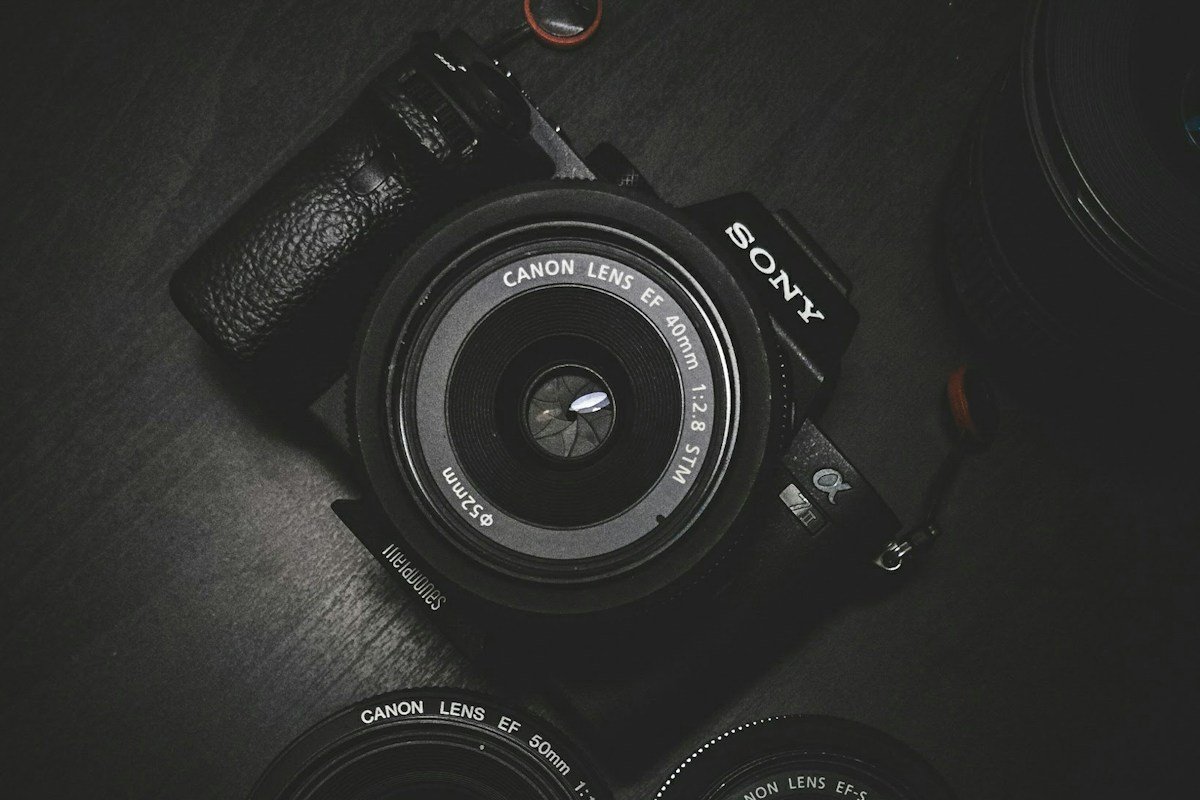
We evaluate cameras on accessibility for solo creators: compact carry weight (under 500g), intuitive touch interfaces, real-time autofocus tracking for talking-head videos, built-in directional microphone audio quality, USB-C plug-and-play webcam capability (UVC/UAC), and out-of-camera color science.
| Award | Top Pick | Sensor / Video | Key Creator Advantage | Est. Price |
|---|---|---|---|---|
| Best for Vlogging & Streaming | Sony ZV-E10 II | 26MP APS-C / 4K 60p 10-Bit | Directional 3-capsule mic, Product Showcase AF, vertical UI | ~$998 (w/ 16-50mm Lens) |
| Best for Travel & Color Science | Fujifilm X-S20 | 26.1MP APS-C / 6.2K Open Gate | 7.0 stops IBIS, built-in Film Simulations, massive battery | ~$1,299 (Body Only) |
1. Detailed Creator Camera Evaluations
Sony ZV-E10 II
Designed specifically for solo creators, YouTube vloggers, and live streamers, the Sony ZV-E10 II inherits the high-performance 26MP BSI sensor from Sony's Cinema Line FX30. It features 10-bit 4K 60p video, a directional 3-capsule microphone with an included windscreen, and dedicated creator autofocus modes.
Pros
- Oversampled 5.6K-to-4K 60p video with rich 10-bit 4:2:2 color profiles
- Upgraded larger NP-FZ100 battery provides all-day recording endurance
- Product Showcase autofocus instantly shifts focus when holding items up to the lens
- Plug-and-play 4K webcam streaming over a single USB-C cable without capture cards
Cons
- No electronic viewfinder (EVF) — operates strictly via the rear vari-angle LCD
- Relies on electronic Active SteadyShot rather than mechanical in-body stabilization
Fujifilm X-S20
The Fujifilm X-S20 is an exceptional travel and hybrid content creation camera. It packs a comfortable ergonomic grip, 7.0 stops of internal 5-axis mechanical IBIS, 6.2K open-gate video capture, and 19 built-in Film Simulation modes that produce stunning editorial colors straight out of camera without needing complex post-production color grading.
Pros
- 7.0 stops of in-body image stabilization (IBIS) for smooth handheld shooting
- 19 Film Simulation color profiles deliver finished aesthetic photos and video
- 6.2K 30p 3:2 open-gate recording enables simultaneous horizontal and vertical social crops
- Large NP-W235 battery delivers over 750 shots per charge
Cons
- Single SD card slot
- Slight price premium over basic entry-level starter kits
2. Key Buying Factors for Beginners & Vloggers
Upgrading from a smartphone to a dedicated mirrorless camera provides massive optical advantages. When choosing your first setup, prioritize:
- APS-C Sensor Size vs. Heavy Full-Frame Bodies: APS-C sensors are over 10x larger than smartphone sensors, providing genuine optical depth-of-field and low-light clarity while keeping camera bodies and lenses compact and affordable for solo shooting.
- Vari-Angle Flip Screens & Vertical UI: A screen that flips forward allows you to frame yourself easily for vlogs, makeup tutorials, and talking-head videos.
- Autofocus Reliability: Advanced AI eye-tracking ensures your face remains crisp and sharp even when moving across the frame.
- Lens Ecosystem & Upgrade Path: Both Sony E-mount and Fujifilm X-mount offer affordable wide-angle prime lenses (e.g., 16mm or 24mm equivalent) perfect for handheld vlogging.
3. Why 6.2K Open-Gate & 10-Bit Color Matter for Social Media
Modern content creation requires delivering video across multiple aspect ratios (16:9 for YouTube, 9:16 for TikTok/Shorts/Reels, and 1:1 for Instagram). **Open-gate recording** (capturing the entire 3:2 sensor area) allows creators to record a scene once and export both horizontal and vertical formats without losing image resolution or refilming.
Need dual card slots, high-speed 40 fps action tracking, or full-frame commercial studio performance?
Explore our Best Professional & Hybrid Mirrorless Cameras Guide →4. Frequently Asked Questions
Is a dedicated creator camera worth it over a flagship smartphone?
Yes. Dedicated APS-C mirrorless cameras offer authentic optical background blur, interchangeable lenses (from ultra-wide vlogging lenses to telephoto zooms), superior low-light noise performance, and zero artificial digital over-sharpening.