
iPhone 18 Pro vs iPhone 17 Pro: Is It Worth Upgrading in 2026?
Should you upgrade to Apple's latest flagship Pro model? We compare the 2nm A20 Pro chip, variable-aperture camera optics, redesigned vapor-chamber cooling, and Apple Intelligence features against the iPhone 17 Pro.
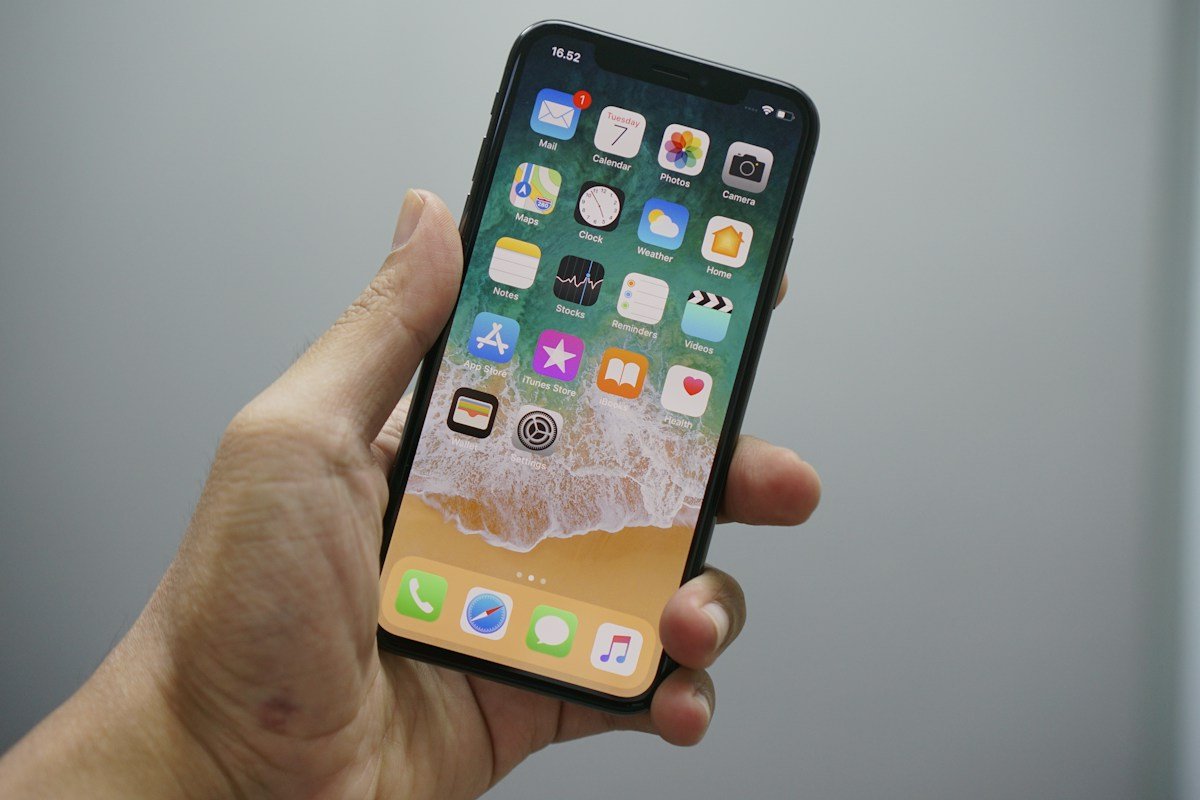
We compare Pro iPhones on Apple's published specifications: chip process node and CPU/GPU configuration (2nm A20 Pro vs 3nm A19 Pro), camera hardware including the 18 Pro's variable-aperture main camera, thermal design, and Apple-rated video playback battery life.
| Feature / Component | Apple iPhone 18 Pro | Apple iPhone 17 Pro |
|---|---|---|
| Processor (SoC) | A20 Pro (TSMC 2nm) — 6-core CPU / 7-core GPU | A19 Pro (TSMC 3nm) — 6-core CPU / 6-core GPU |
| Main Camera | 48MP Fusion with variable aperture + manual controls | 48MP Fusion, fixed f/1.78 aperture |
| Telephoto Zoom | 48MP telephoto, 4x optical zoom | 48MP telephoto, 4x optical (8x optical-quality) |
| Display | 6.3" Super Retina XDR OLED (ProMotion 120Hz) | 6.3" Super Retina XDR OLED (ProMotion 120Hz, 3,000 nits peak) |
| Thermal Architecture | Redesigned vapor chamber, larger surface area | Vapor chamber cooling |
| Battery Life | Up to 36 hours video playback | Up to 33 hours video playback |
| Starting Price (256GB) | $1,199 | $1,099 |
| Availability | September 18, 2026 | September 19, 2025 |
1. A20 Pro vs. A19 Pro: Silicon & Thermal Performance
The iPhone 18 Pro runs on Apple's A20 Pro chip built on a 2-nanometer process, with a 6-core CPU, 7-core GPU and dual 16-core Neural Engine. Apple says the GPU is up to 40% faster than the A19 Pro with 50% more memory bandwidth, aimed at on-device Apple Intelligence and Siri AI workloads.
Apple also redesigned the thermal system with a next-generation vapor chamber with a larger surface area for higher sustained performance during gaming and video processing. The iPhone 17 Pro uses the 3nm A19 Pro (6-core CPU, 6-core GPU) — still fast, but a full process node behind.
2. Variable Aperture & Telephoto Upgrades
The headline photographic upgrade is a variable aperture on the 48MP Fusion main camera — a first for iPhone — with manual aperture controls for creative depth-of-field control. Both phones carry 48MP ultra-wide cameras and 48MP telephoto cameras with 4x optical zoom.
- Variable aperture (18 Pro): Open up for more light and natural background blur in low light, or stop down for sharper group shots and landscapes.
- 18MP Center Stage front camera: Both models offer high-resolution selfies with Dual Capture for simultaneous front/rear recording.
3. Battery Runtime & Charging Speeds
Apple rates the iPhone 18 Pro for up to 36 hours of video playback versus up to 33 hours on the iPhone 17 Pro, with 50% charge in around 15 minutes over wired charging. The 2nm A20 Pro's efficiency gains do the heavy lifting here.
Check Current Prices on Amazon
See the latest prices and availability for both models on Amazon.
4. The Upgrade Verdict: Should You Switch?
- If you own an iPhone 17 Pro: You can safely hold off unless you specifically want the variable-aperture main camera or the A20 Pro's efficiency gains.
- If you own an iPhone 16 Pro or older: Upgrading brings a newer chip generation, variable-aperture optics, longer battery life, and the redesigned thermal system.
5. Related Flagship Smartphone Guides
- Should you switch platforms? Read our Should You Upgrade Your Phone in 2026 Guide.
- Explore folding alternatives: iPhone Duo (Fold) vs Galaxy Z Fold 7.
- View the full landscape: Best Smartphones in 2026.